Problems with the Dacia Jogger

Reliability Dacia Jogger: common problems, issues symptoms and faults
- Hybrid system malfunctions: The hybrid system can cause problems after just 15,000-25,000 km, particularly in the communication between the combustion engine and the electric motor. Symptoms include jerky driving and reduced fuel efficiency.
- Display dropouts and infotainment problems: The central display does not start up or does not function correctly, often after only 5,000-10,000 km. This affects both navigation and climate control.
- Battery discharge when stationary: The 12V battery discharges unusually quickly, especially when the vehicle is stationary for long periods. This problem often occurs within the first 12 months.
- CVT transmission jerking: The continuously variable CVT transmission does not shift smoothly and exhibits jerking, especially at low speeds between 2,000-8,000 kilometres.
Dacia Jogger: Problems with the hybrid drive system
The most common faults with the Dacia Jogger concern the hybrid system, which can cause problems even after relatively low mileages of 15,000-25,000 km. The system does not function optimally when communication between the 1.6-litre petrol engine and the two electric motors is disrupted. Typical symptoms are unsteady idling, jerky acceleration and significantly increased fuel consumption of up to 8-9 litres instead of the advertised 4.3 litres per 100 km. The reliability of the hybrid system is particularly problematic on frequent short journeys, where the change between drive modes does not function correctly. Drivers also report breakdowns where the vehicle suddenly switches to emergency mode and performance is drastically reduced.
Regular maintenance is crucial for the longevity of the hybrid system. The complex Dacia Jogger Hybrid components require specialised diagnostic software and regular updates to the ECU software every 10,000-15,000 km. A fault code readout should be carried out at the first sign of problems, as software updates can often resolve the symptoms before expensive hardware repairs become necessary.
Dacia Jogger: Display and infotainment faults

The central MediaNav display of the Dacia Jogger shows various errors and faults that can significantly impair operation. The 8-inch display does not start up or remains black, especially after long periods of inactivity or at extreme temperatures below -10°C or above 35°C. Common symptoms are frozen screens that do not respond to touch and complete system crashes while driving. The service life of the display unit is problematic, as the first pixel errors or brightness problems can occur after just 5,000-10,000 kilometres. Vehicles from the early production phase 2021-2022, in which software version 1.0.x is installed, are particularly affected.
A systematic check is necessary to diagnose and rectify display problems. The sensitive Dacia Jogger infotainment systems require regular software updates and calibration every 6 months or 10,000 km. A hard reset by pressing the power and home button simultaneously for 10 seconds can solve temporary problems, while persistent errors often require replacement of the entire display unit.
Dacia Jogger: Battery discharge problems
The 12V starter battery of the Dacia Jogger shows unusually high discharge rates, especially in vehicles with hybrid drive. After standing for only 7-10 days, the battery can be so discharged that the engine no longer starts. The battery capacity of 70 Ah proves to be insufficient for the many electronic consumers, including the permanent standby mode of the hybrid system. Typical symptoms are weak starting behaviour in the morning, flickering interior lighting and warning messages in the display about low battery voltage. The average service life of the original battery is only 18-24 months, well below the usual 4-5 years for conventional vehicles. Short journeys of less than 10 kilometres, during which the battery is not sufficiently charged, are particularly problematic.
Professional maintenance is essential for battery health. The Dacia Jogger Hybrid battery requires regular capacity checks every 6 months and should be connected to a trickle charger if it is not used for longer than 5 days. A battery tester can identify weakening cells at an early stage before complete failure occurs.
Dacia Jogger: CVT transmission problems

The continuously variable CVT transmission of the Dacia Jogger exhibits various faults, which are particularly noticeable at low speeds and when pulling away. The transmission does not shift smoothly and produces unusual noises, especially in the 30-50 km/h speed range. Typical symptoms are a "rubber band effect" when accelerating, where the engine speed increases but the vehicle accelerates with a delay. After 2,000-8,000 kilometres, drivers report jerky movements when starting off and metallic noises from the transmission housing. The CVT fluid shows discolouration and metal particles after only 15,000 km, indicating premature wear of the chain and pulleys. On some vehicles, reverse gear does not work reliably or the transmission gets "stuck" in one position.
A professional inspection is required to diagnose CVT problems. The Dacia Jogger CVT systems require special transmission fluid (CVT-Fluid NS-3) and a change every 60,000 km instead of the 120,000 km specified by the manufacturer. A regular check of the fluid level and colour can indicate problems at an early stage and prevent expensive transmission damage.
Dacia Jogger: Electronic and control unit failures
The Dacia Jogger's electronic systems exhibit various faults that can manifest themselves in unpredictable breakdowns. Control units for the engine, transmission and hybrid system can fail or produce error messages after just 10,000-20,000 kilometres. Common symptoms include the engine control light coming on for no apparent reason, intermittent power steering failures and problems with the ESP electronic stability programme. The CAN bus communication between the various control units shows faults that lead to contradictory error messages. Particularly affected are the hybrid control units, which can put the entire vehicle into emergency mode in the event of software conflicts. The reliability of the electronics is also impaired by moisture ingress into plug connections, which leads to corrosion and contact problems.
Regular maintenance is essential for the health of the electronics. The complex Dacia Jogger ECU systems require regular software updates and professional diagnostics every 15,000 km. Preventative measures such as checking all connectors for corrosion and moisture can prevent many electronic problems before they lead to costly repairs.
Additional common defects of the Dacia Jogger
Based on the experiences of Dacia Jogger drivers, the following additional problems occur:
- Air conditioning compressor failure: typically occurs after 25,000-35,000 km, often caused by loss of refrigerant or faulty magnetic clutch.
- Brake disc distortion: After only 15,000-20,000 km, the front brake discs can show signs of scoring or distortion, especially with frequent city driving.
- Door handle mechanism problems: Power door handles may stick or fail to extend after 12,000-18,000 km, especially in low temperatures.
- Rear view camera soiling: The camera gets dirty quickly and the cleaning system does not work properly, visible after only 3,000-5,000 km.
- Windscreen stone chip susceptibility: Above-average susceptibility to stone chips after just 8,000-12,000 km due to the large, flat windscreen.
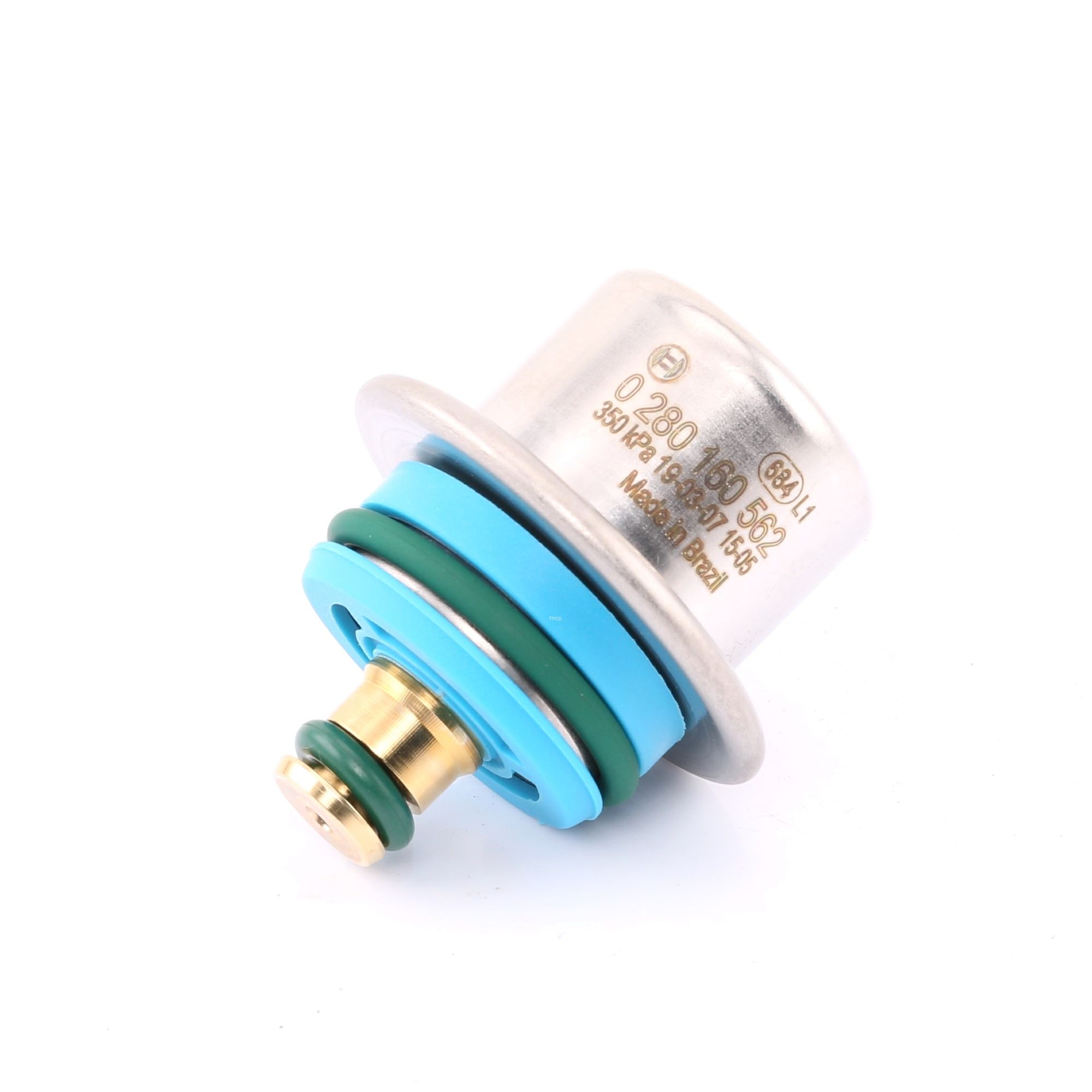
- Fuel pump noises: Loud noises from the fuel pump in the tank, especially when the fuel level is low after 20,000-30,000 km.
- Wheel bearing wear: Premature wear of the rear wheel bearings after 40,000-50,000 km, recognisable by humming noises when cornering.

Dacia Jogger: weak points and strengths
| Strengths |
Weak points |
| Spacious interior for 7 people |
Hybrid system problems |
| Good price-performance ratio |
Display failures |
| High variability of seating arrangement |
Battery discharge |
| Robust body construction |
CVT gearbox judder |
| Low acquisition costs |
Electronic interference |
| Practical tailgate |
Short warranty periods |
| Simple operation |
Interior material quality |
The Dacia Jogger presents itself as a practical family car with an attractive price, but shows typical teething troubles of a new model in several areas. The hybrid technology and electronic systems in particular require regular attention and professional maintenance. Most problems can be avoided by preventive measures and prompt intervention, which can significantly improve the longevity and reliability of the vehicle.


 22 December 2025 (updated)