
An infection occurs when a microorganism — such as bacteria, fungi, or a virus — enters a person’s body and begins multiplying. Infections can have a variety of effects, ranging from mild to severe.
These infectious microscopic organisms are known as pathogens, and they can multiply quickly. Many symptoms of infections occur due to the immune system’s response to the pathogen.
In this article, we explain the different types of infections, how to reduce the risk of infection, and what symptoms they cause.
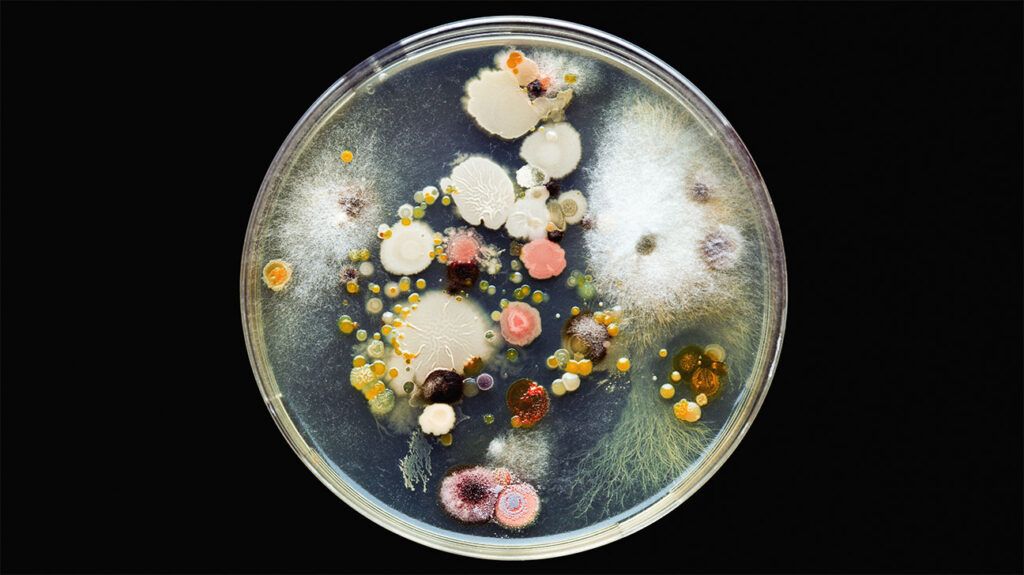
Infections can be bacterial, viral, fungal, or parasitic. The type of pathogen determines the type of infection, influencing how the infection progresses and how it may affect the body.
Different types of pathogens can vary in their:
- size
- shape
- function
- genetic content
- how they act on the body
- treatment
For example, viruses are smaller than bacteria. They enter a host and take over cells.
Some pathogens have little effect at all. Others produce toxins or inflammatory substances that trigger negative responses from the body.
This variation means that some infections are mild and barely noticeable, while others can be severe and life threatening. Some pathogens are resistant to treatment.
The immune system is an effective barrier against infectious agents. However, pathogens may sometimes overwhelm the immune system’s ability to fight them off.
Viral infections
Viruses are the most common cause of infection in humans. Researchers estimate there may be
Viruses contain a small piece of genetic code, and a coat of protein and lipid (fat) molecules protects them. The proteins on the outside of viruses, which are known as spike proteins, latch onto host cells and enter them.
As viruses enter cells, they release their genetic material. This material forces the cell to replicate the virus, and the virus multiplies. When the cell dies, it releases new viruses, which infect new cells.
However, not all viruses destroy their host cell. Some of them
Some viruses are self-limiting, meaning they run their course as the body attacks and removes them. Others are often deadly, while others still can remain dormant in the body and reactivate under certain circumstances.
The following table shows some common viruses and the diseases they cause:
| Virus | Disease(s) |
|---|---|
| rhinovirus | common cold |
| influenza viruses | flu, including swine flu and bird flu |
| coronaviruses | COVID-19 Middle East respiratory syndrome (MERS) severe acute respiratory syndrome (SARS) |
| norovirus | gastroenteritis (stomach flu) |
| hepatitis A, B, or C viruses | viral hepatitis |
| herpes simplex virus type 1 or 2 | oral or genital herpes |
| EBV | mononucleosis (glandular fever) |
| varicella-zoster virus | chickenpox shingles |
| HPV | genital warts cervical cancer |
Treatment for viruses often aims to relieve symptoms while the immune system combats the virus. For some viruses, there are vaccinations that may prevent or reduce the severity of the infection, or antiviral medications.
Bacterial infections
Bacteria are single-celled microorganisms, also known as prokaryotes. Different types of bacteria can live in almost any environment, from extreme heat to intense cold, and some can even survive in radioactive waste.
While some types of bacteria can cause infections, others do not harm humans. In fact, some types of bacteria are beneficial in certain circumstances.
For example, the mouth, intestines, genitals, and skin are host to various bacteria and other microbes. This ecosystem of microorganisms is known as the human microbiome, and it plays a role in preventing infections.
However, some bacterial diseases can be deadly. These include:
Some examples of bacterial infections that are
However, any type of bacterial infection can become serious if it spreads. For example, urinary tract infections can become serious if they spread to the kidneys.
Antibiotics are the main treatment for bacterial infections. Over time, some strains of bacteria have evolved resistance to antibiotics, making the treatment of these infections more difficult.
Fungal infections
There are
Fungi almost always reproduce by spreading single-celled spores, which can come into contact with humans via the skin, inhalation, or ingestion. Their structure is usually long and cylindrical, with small filaments branching from the main body.
Similarly to bacteria, not all types of fungi are harmful to humans. Some fungi species exist naturally in the human microbiome. However, even these fungi can become opportunistic and cause infection under the right circumstances.
Those with a higher risk of developing a fungal infection include people who:
- use antibiotics for a long time
- have a weakened immune system, due, for example, to living with HIV or diabetes or receiving chemotherapy treatment
- have undergone a transplant, as they take medications to prevent their body from rejecting the new organ
Some examples of fungal infections include:
- candidiasis, which causes oral and vaginal thrush
- valley fever (coccidioidomycosis)
- histoplasmosis
- athlete’s foot
- ringworm
- some eye infections
Antifungal medications can treat fungal infections.
Other infections
While the forms of infection listed above are the main types, there are others that can affect the body. This includes parasitic infections.
There are
- Protozoan: Protozoa are single-celled organisms with a nucleus that can survive outside the human body. Examples of protozoan infections include malaria, giardiasis, and amebic dysentery.
- Helminth: Helminths are larger, multicellular organisms that tend to be visible to the naked eye when fully grown. This type of parasite includes flatworms and roundworms.
- Ectoparasite: Ectoparasites, such as mites, ticks, lice, and fleas, can cause infection by attaching or burrowing into the skin.
The cause of an infection is whichever type of organism has entered the body. A specific virus, for example, will be the cause of a viral infection.
How an infection spreads and its effects on the human body depend on the type of pathogen. They can spread in many ways, including through:
- skin contact
- the transfer of bodily fluids
- ingesting contaminated food or water
- inhaling airborne particles or droplets
- touching an object that a person carrying the pathogen has also touched
The symptoms of an infection, such as swelling or a runny nose, often occur as the immune system attempts to get rid of the invading organism.
For example, a wound fills with pus when white blood cells rush to the site of an injury to combat foreign bacteria.
The symptoms of an infection can vary widely depending on the organism responsible and the site of the infection.
For example, many common viruses affect the respiratory system, resulting in:
- a runny or stuffy nose
- muscle aches
- headache
- fatigue
- cough
- sore throat
However, other viruses target the digestive system, reproductive system, or other parts of the body. The rabies virus, for example, targets the nervous system.
Bacterial infections can be more localized if they occur in a specific part of the body or affect a cut or wound. At the site of infection, a person may have pus, heat, swelling, and pain.
However, bacterial infections can also spread or become systemic, meaning they cause body-wide symptoms, such as fever, malaise, or more serious symptoms.
A rash can indicate a fungal infection of the skin. However, viruses and bacteria may also cause skin conditions and rashes.
There is no single method that can prevent all infections. However, people can take the following steps to reduce the risk of transmission:
- Wash the hands often, especially before and after preparing food and after using the bathroom.
- Cover the mouth and nose when coughing or sneezing.
- Clean high-touch areas, such as door handles, phones, and light switches, regularly.
- Disinfect places that may have high concentrations of bacteria, such as the kitchen and bathroom.
- Avoid contact with people who have infections that spread easily, such as colds and flu.
- Follow food safety guidelines, cooking food to a safe temperature, and throwing it away if it has expired.
- Keep wounds clean and covered with sterile dressings or band-aids.
- Brush the teeth
twice daily and get checkups every 6 months. - Receive any recommended vaccinations and keep them up to date.
- Only take antibiotics when necessary with a prescription and be sure to complete the recommended course, even if symptoms improve at an earlier stage.
- Reduce the risk of sexually transmitted infections (STIs) by receiving regular STI checks and using barrier methods of contraception.
- Avoid sharing personal items, such as toothbrushes, combs, razor blades, cutlery, and makeup brushes.
- Avoid touching or sharing used needles.
- Follow a doctor’s advice about traveling overseas, such as getting travel vaccinations or only drinking bottled water.
- Follow precautions while living with an infection to avoid passing it on to others.
Following an active lifestyle, minimizing stress, and eating a balanced diet can help keep the immune system strong.
There are many types of infection that can affect humans, but they all involve microorganisms entering the body and reproducing. How they do this can vary depending on the specific pathogen.
Infections can be viral, bacterial, fungal, or parasitic. Many infections are common and mild, but some can be severe and life threatening. In people with weakened immune systems, even mild illness can become serious.
Following safety guidelines for hygiene, wound care, food preparation, vaccination, and safer sex can help prevent infections.