
A malar rash is a skin rash that appears on the cheeks and bridge of the nose due to certain conditions, such as lupus. People may also call it a “butterfly rash” due to its distinctive butterfly shape.
A malar rash may be flat or slightly raised, and it can feel rough and scaly to the touch. The rash appears red or purple and may be either blotchy or solid in appearance. It may be itchy, and in severe cases, it can be painful.
Many health conditions can cause a malar or butterfly rash, including lupus, genetic disorders, bacterial infections, rosacea, and sun exposure.
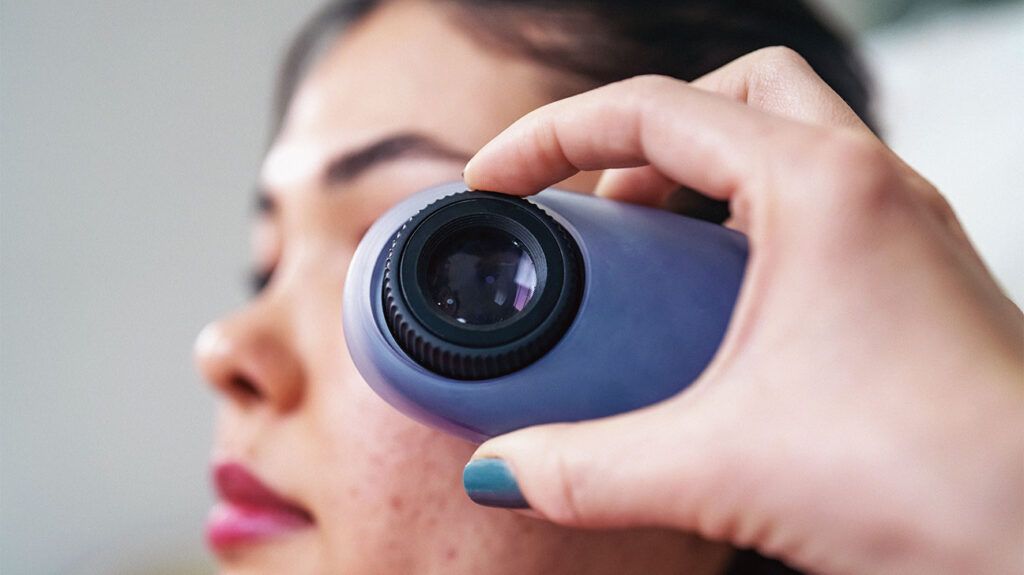
A malar rash is a flat or raised rash
It can feel bumpy or raised, or scaly, and is blotchy red or purple in color.
Causes of the malar rash
Lupus or SLE
Lupus is a chronic autoimmune condition in which a person’s immune system mistakenly attacks healthy tissue. It is also known as systemic lupus erythematosus (SLE).
Lupus results in inflammation of joints, skin, and other organs. While there is no cure, treatment can improve some of the symptoms.
Around half of all people diagnosed with lupus will develop a malar rash as a symptom.
Rosacea
This common skin condition affects 5% of the world’s population.
- discoloration of the skin
- flushing
- hard or pus-filled pimples
Seborrheic dermatitis
Seborrheic dermatitis is a
Cellulitis
Cellulitis is a type of bacterial infection that affects the deeper skin layers, as well as the layer of fat stored directly under the skin.
Lyme disease
Lyme disease stems from tick bites, which then transmit bacteria into the body. Other symptoms
- joint pain
- stiffness
- severe headaches
- dizziness
Dermatomyositis
Dermatomyositis is a condition involving inflammation of the muscles, connective tissues, and skin. Unlike SLE, the associated rash impacts the folds of skin that run from either side of the nose to the corners of the mouth.
Pellagra
When someone eats a diet that is extremely low in niacin, one of the B vitamins, it can lead to Pellagra.
This condition
Bloom syndrome
Bloom syndrome, which is also called Bloom-Torre-Machacek syndrome, is an inherited disorder that involves short stature and elevated rates of most cancers.
Among other symptoms, it causes a malar rash and skin eruptions on other areas of the body.
Homocystinuria
Homocystinuria is a genetic disorder in which the body is unable to process the amino acid methionine, resulting in elevated levels of this amino acid and its metabolite, homocysteine, in the blood and urine.
The condition can also result in vision problems, skeletal abnormalities, and intellectual disability.
Erysipelas
Erysipelas is a skin infection
Photosensitivity
Diagnosing the condition underlying a malar rash can be challenging due to the wide range of potential causes.
A doctor will take a comprehensive and detailed medical history, investigate all other symptoms, and perform a thorough physical examination.
A healthcare professional
If the doctor suspects SLE, they will use blood and urine tests, such as:
- SR (erythrocyte sedimentation rate) test to look for inflammation in the body
- C-reaction protein test, as high CRP levels are another sign of inflammation
- X-rays to check for organ damage
- anti-nuclear antibody test
Treatment of a malar or butterfly rash depends on its cause.
Lupus
In the case of lupus, treatment
- Nonsteroidal anti-inflammatory drugs (NSAIDs): Anti-inflammatory medications to reduce the inflammation and pain in muscles, joints, and other tissues.
- Anti-malarial drugs: These may help with joint and skin conditions, as well as fatigue.
- Steroids: Steroids work quickly to relieve pain, stiffness, and swelling. They have some unpleasant side effects, and the dosage is usually reduced once the disease is under control. Doctors can also prescribe steroidal creams.
- Immunosuppressive medications: These medications are also used to treat certain autoimmune diseases, such as lupus, by helping to suppress the immune system.
Rosacea
Treatment for rosacea
Bacterial infection
Treatment for bacterial infection includes oral or topical antibiotics.
Home remedies for malar rash
Protecting the face from the sun helps reduce malar rash. There are several ways people can help their skin heal and prevent the rash from worsening, including:
- protecting the face from the sun
- using skin products for sensitive skin
- eating a healthful, balanced diet
Avoid foods that increase inflammation, including:
- red meat
- dairy
- fried food
- refined and processed foods
- saturated fats and hydrogenated fats
- foods high in sugar
Niacin deficiency can result in a malar rash.
Treatment includes:
- determining the underlying cause
- caring for the skin with sensitive skin products
- protecting the face from the sun
A person should contact a doctor if their rash is:
- severe
- itchy
- painful
- all over the body
- affects daily life
- comes with other symptoms such as fever
Malar rashes are relatively common, although they rarely pose a problem in themselves. Rashes caused by bacterial infections can be successfully treated and cured.
There is no cure for chronic diseases or genetic conditions, such as SLE and Bloom syndrome, but their rash symptoms may improve with treatment.