
Humidifiers add moisture to the air. They can help people with dry skin, allergies, and respiratory problems. They may also help prevent influenza and reduce snoring, among other benefits.
Dry air can cause moisture to evaporate from the skin, worsening respiratory symptoms over time. A humidifier can counteract these problems by adding moisture to the air.
Humidifiers can help people who experience:
- dry skin
- irritated eyes
- dryness in the throat or airways
- allergies
- frequent coughs
- sinus headaches
- cracked lips
There are several ways to use humidifiers in the home or office, but there are also some risks.
In this article, learn about the benefits of humidifiers, how to use them correctly, and precautions to take.
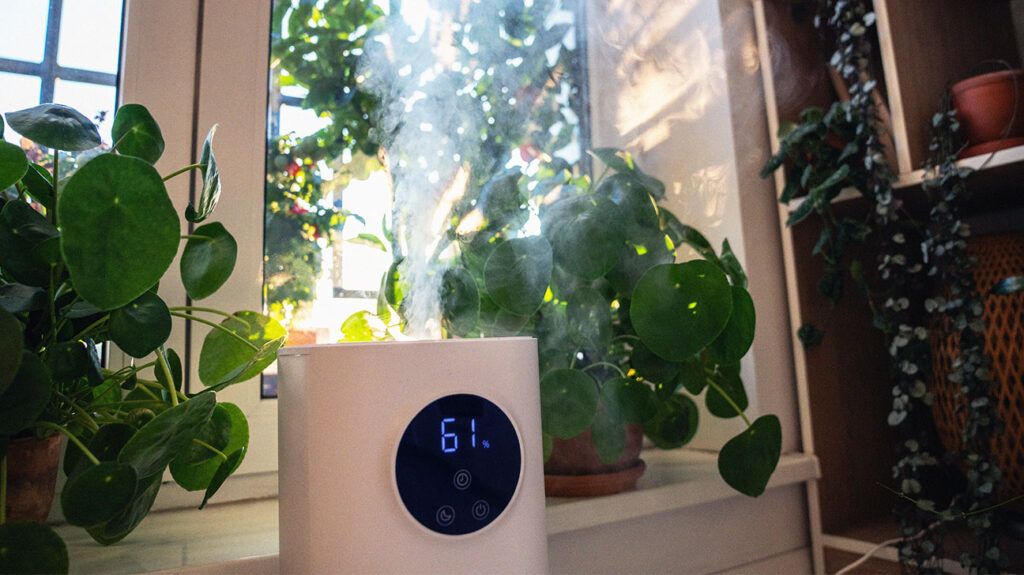
Some people experience respiratory symptoms in the summer months, when the weather is hot, and the air contains more allergens. Air conditioners and fans can circulate dry air through the room, and air conditioners remove any moisture from the air, so a humidifier may be beneficial.
People can also benefit from a humidifier in the colder months, when cold, indoor air dries out the lungs, nose, and lips. Some types of central heating can also dry out the air.
Benefits of a humidifier may include:
Preventing influenza
Humidifiers may help to prevent virus outbreaks, such as influenza, or flu.
In a 2018 study, researchers collected air samples and frequently handled items, such as blocks and markers, from preschool classrooms, and tested them in a lab to see if they carried the flu virus. They humidified some classrooms, but not others, and called these the control rooms.
Air and objects collected from humidified classrooms contained far fewer influenza-positive samples than those from the control rooms. There were also fewer flu-like cases of illness in humidified rooms. This suggests that humidification may help control flu outbreaks, but more research is necessary to confirm a direct link.
Making a cough more productive
Dry air can cause a person to have a dry, unproductive cough. Adding humidity to the air can help moisten the airways, which can make a cough more productive. A productive cough releases trapped or sticky phlegm.
Reducing snoring
Increasing the amount of moisture in the air can also reduce snoring. If the air is dry, a person’s airways are less likely to be sufficiently lubricated, which can make snoring worse.
Adding humidity to the air by running a humidifier at night may help to relieve some symptoms.
Keeping the skin and hair moist
Some people notice that their skin, lips, and hair become dry and fragile in the winter.
Many types of heating units pump hot, dry air through the house or office, which can dry out the skin, making it itchy or flaky. Cold air outside can also dry out the skin.
Using a humidifier to add moisture to the indoor air may help reduce the occurrence of dry, cracked skin.
Benefits for the home
Moisture from a humidifier can be helpful around the home. Any moisture-loving houseplants may become more vibrant, and wood floors or furniture may last longer. Humidity can also help prevent wallpaper from cracking and static electricity from building up.
Humid air can also feel warmer than dry air, which could help save money on utility bills in the winter months.
All humidifiers add moisture to the air, but there are many types available, including:
- Steam vaporizers: These use electricity to turn water into steam, which they release as a mist. However, there is a risk of burning the skin, and people should avoid using steam vaporizers around children.
- Ultrasonic humidifiers: Instead of electricity, these units use vibrations to vaporize water.
- Evaporators: These produce humidity by blowing air past evaporating water.
- Impeller humidifiers: These are generally child-friendly and use rotating disks, rather than heat, to vaporize water.
- Central humidifiers: A person connects one of these units to the central air conditioning in the home or office to add moisture to the entire space.
Sizes can vary. Console humidifiers are large enough to add moisture to an entire house or office, while personal humidifiers are portable and easy to carry.
A humidifier can be a great way to add moisture to the air, but there are risks to consider.
Dirty humidifiers
Humidifiers turn water into breathable vapor in the air. If the unit’s water tank is dirty, the vapor a person breathes will also be dirty.
A dark, humid tank fosters germs, but regular cleaning can help prevent issues.
Always clean a humidifier thoroughly as directed by the manufacturer. Water should not sit in the humidifier for too long. If the humidifier has a filter, be sure to replace it often.
Too much humidity
Some humidity in the air can be a good thing, but excessive levels can make breathing difficult and worsen allergy symptoms. For example, common allergens, including dust mites, mold, and mildew, thrive in damp environments.
According to the United States Environmental Protection Agency (EPA), indoor humidity levels should be between 30 and 50 percent. Humidity levels above 60% are too high.
Anyone using a humidifier should also have a humidity meter, or hygrometer, in the room. Some humidifiers have built-in ways to measure humidity, while others require a stand-alone meter.
Using hard water or tap water
Many manufacturers recommend using only pure, clean water in their humidifiers. There are a few reasons for this.
Unfiltered tap water can contain higher levels of minerals and other particles than purified or distilled water.
Minerals from hard tap water can build up in the machine, causing it to wear down faster than expected.
The humidifier can also push these minerals into the air, and a person may inhale them. The particles may also settle around the room as dust.
Other risks
While using a humidifier can help with dry sinuses, it can also harm. Humid environments promote dust mites and mold growth, so if people are allergic to dust and mold or have asthma, using a humidifier could aggravate these conditions.
Some other risks associated with using a humidifier include steam burns from units that use heat and the growth of mold where moisture has accumulated on walls and ceilings.
Anyone using a humidifier should avoid getting too close to the machine. When using a humidifier in a room with a child, it is important to supervise them.
Tips for using a humidifier include:
- Keep track of humidity levels.
- Change the water in the humidifier regularly.
- Clean the humidifier regularly.
- Change any filters as the manufacturer recommends.
- Use only distilled or purified water that does not contain minerals.
- Exercise caution when using a humidifier around children.
- Follow the manufacturer’s instructions.
Humidifiers can benefit people with skin issues or respiratory problems who live in areas with low humidity.
It is essential to remember that humidifiers cannot treat underlying conditions, such as asthma. Although they may be beneficial, they should not replace medical treatment.
Anyone experiencing new or worsened symptoms when using a humidifier should discontinue using it and, if symptoms persist, contact a doctor.