
Tips for staying warm in cold weather range from layering clothing and using blankets to moving around more and heating the home.
Cold weather can affect some individuals more than others. For example, older people, children, and pregnant people may be more vulnerable to feeling cold, particularly in the winter months.
This article explores a range of tips for staying warm and discusses when someone may want to consider speaking with a healthcare professional.
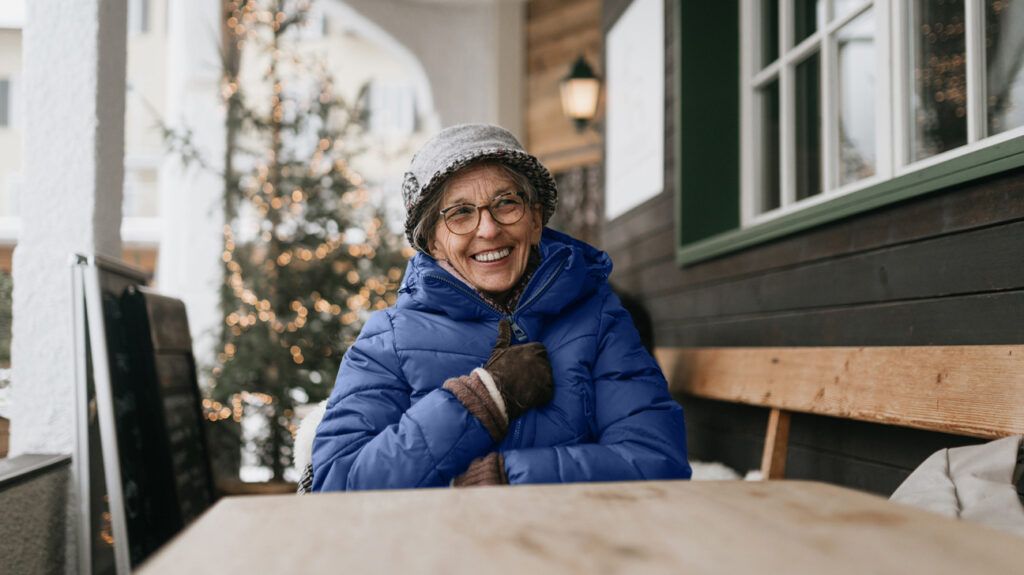
Before trying any other methods to keep warm, a person may want to consider
Wearing loose clothes that allow for air between the layers can help people stay warm. Accessories people may want to consider wearing include:
- gloves
- boots
- hats
- scarves
- leg warmers
- thick socks
- ear muffs
- mittens
A person could also try wearing socks and breathable pajamas in bed for extra warmth at night.
If a person is still feeling cold while wearing layered clothing, they might also want to consider
Someone may decide to have a blanket in several different rooms of their home. People who own a car may want to keep blankets in their car as well.
For additional warmth under a blanket, a person may want to use a hot water bottle or microwaveable heat pads.
Using a microwaveable heat pad may be preferable to hot water bottles, as they carry the risk of contact burns and scalds.
Eating warm meals and drinking warm beverages can be a temporary solution to keeping warm. Some simple examples include:
- soups
- stews
- casseroles
- pasta bakes
- tea
- coffee
- hot chocolate
People should ensure to maintain a moderate body weight, as having some body fat can
The
People do not necessarily need to do vigorous exercise to warm up. Going for a walk, gently stretching, or practicing a few yoga poses may help a person feel warmer.
In the colder months, turning on the heating at home can help keep people warm. The National Institute for Aging (NIA) recommends that older adults set their heating to
Some tips to help keep the home warm include:
- keeping windows and blinds closed
- sealing any gaps around windows with caulk or weather stripping
- putting a rolled towel along the bottom of doors or using a draft stopper
- upgrading building insulation, if possible
Help with energy bills
Anyone in the United States who is experiencing difficulty paying heating bills or is concerned about the financial cost of heating may want to find out if they are eligible for the Low Income Home Energy Assistance Program (LIHEAP).
They may also want to see if they are eligible for the Weatherization Assistance Program (WAP), which can help people with low incomes make home improvements that save on energy.
People should contact emergency services by calling 911 or their local number as soon as possible if they suspect someone is experiencing hypothermia.
Symptoms of hypothermia vary depending on the stage but
Additionally, people who are vulnerable to the effects of cold weather may want to consider speaking with a doctor for individual tips about keeping warm and reducing the risk of illnesses such as flu and pneumonia. According to the United Kingdom’s National Health Service (NHS), this includes:
- babies and children under the age of 5
- people ages 65 and older
- people on a low income who may not be able to afford heating
- pregnant people
- people with disabilities
- people who have a chronic health condition
- people with mental health conditions
Anyone experiencing persistent feelings of coldness may also want to reach out to a healthcare professional.
Some tips for staying warm include wearing layers of clothing, moving around more, and using blankets. People may also want to try using hot water bottles or microwaveable heat pads, eating warm meals, and using heating at home.
Anyone experiencing symptoms of hypothermia should contact their local emergency services immediately.
Additionally, anyone who is vulnerable to the effects of cold weather or experiencing persistent feelings of coldness may want to speak with a doctor.