
Parasites live in other host organisms and depend on them for survival. Parasites can spread diseases and cause parasitic infections. The symptoms of a parasite infection in humans can vary widely.
Without a host, a parasite cannot live, grow, and multiply. For this reason, a parasite rarely kills its host, but it can spread diseases, some of which may be fatal.
Parasites sometimes do not cause harm, but other times they can cause noticeable disease, called a parasitic infection. There are many different types of parasitic infections, which can range from mild to severe.
In this article, we detail some different types of parasitic infections in humans, their symptoms and treatments, and tips to prevent them.
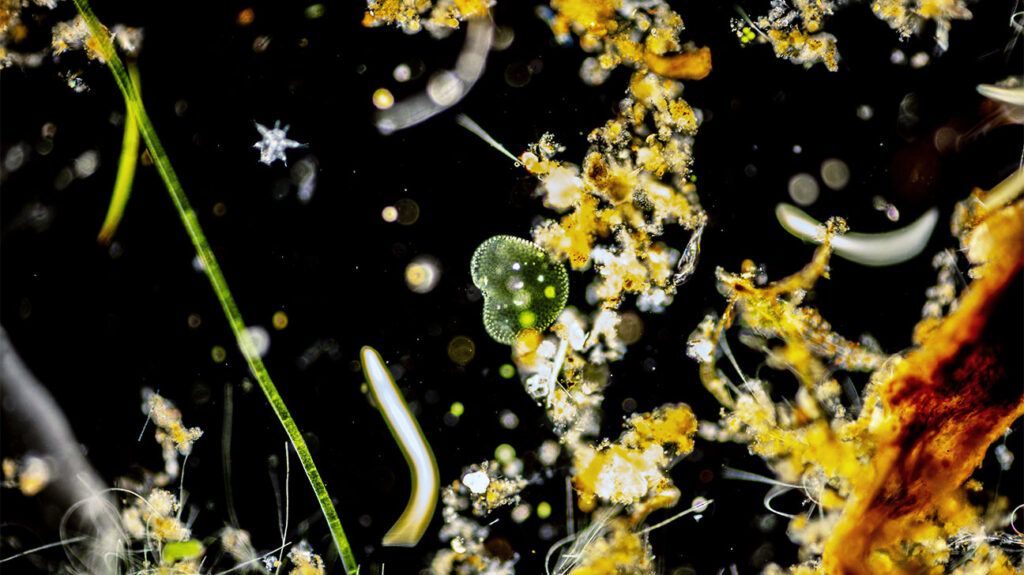
Parasites vary widely in their characteristics. Many are invisible to the human eye, such as the malarial parasite, but some worm parasites can reach
There are three types of human parasites:
- Protozoa: Protozoa are single-celled organisms that can multiply in humans. These parasites can spread through contaminated food and water, person-to-person contact, and insect bites.
- Helminths: Helminths are parasitic worms that often root in a person’s digestive tract. These parasites often pass through a person’s stool, but can also be transmitted via the bloodstream.
- Ectoparasites: Ectoparasites are small organisms that live on the outside of the body. These include ticks, fleas, and lice.
A zoonotic disease refers to a disease that spreads between animals and humans. Some examples of zoonotic parasitic infections
| Parasitic infection | Parasite | Transmission |
|---|---|---|
| cryptosporidiosis | Cryptosporidium parasite | Swallowing food or water that is contaminated with stool from infected animals. |
| trichinellosis | Trichinella parasite | Eating undercooked or raw meat from bear, boar, and domesticated pigs |
| cutaneous larva migrans | hookworms | Exposed skin coming into contact with young hookworms by being near them on soil or sand that is contaminated with animal stool |
| toxoplasmosis | Toxoplasma gondii | Consuming the parasite after touching cat feces or eating contaminated food or water, including uncooked meat or fresh produce |
A person can develop a parasitic infection if they drink, swallow, or come into contact with parasites present in untreated drinking water, untreated water from swimming pools and hot tubs, or from lakes, rivers, and the ocean.
They can also contract a parasite by eating foods, such as:
- undercooked fish, mollusks, and crabs
- undercooked meat
- raw aquatic plants, such a watercress
- raw vegetables that have come into contact with human or animal feces
The
- cryptosporidiosis
- cyclosporiasis
- toxoplasmosis
- trichinellosis
- Anisakism, or herring worm disease
- diphyllobothrium
- taeniasis
- giardiasis
- amebiasis, or amebic dysentery
- ascariasis
- fascioliasis
- Guinea worm disease, or dracunculiasis
- schistosomiasis
Some parasitic infections can be transmitted via the blood. Bloodborne parasitic infections can be transmitted to others through:
Some bloodborne parasitic infections are transmitted by vectors, such as ticks and mosquitos. This means they can also be called vector-borne diseases.
Examples of bloodborne parasitic infections include:
- African trypanosomiasis
- babesiosis
- Chagas disease
- leishmaniasis
- malaria
- toxoplasmosis
All of the above, apart from toxoplasmosis, can be spread by insects.
Vector-borne parasitic infections develop when a parasite enters the body through an insect’s saliva or parasites in an insect’s stool.
According to the CDC, examples
- African trpanosomiasis, transmitted by tsetse flies
- babesiosis, transmitted by Ixodidae ticks
- Chagas disease, transmitted by triatomine bugs
- Ieishmaniasis, transmitted by phlebotomine sand flies
- malaria, transmitted by mosquiots
- onchoceriasis, or river blindness, transmitted by blackflies
The risks of these parasitic diseases is very low.
People can transmit parasites to one another through close contact, which can then result in a parasitic infection. Examples include:
- Scabies: Scabies is a skin condition
caused by a parasitic mite called Sarcoptes scabiei. The mites burrow into the skin and cause itching. A person can contract scabies from close skin-to-skin contact or through contact with contaminated material, like towels and bedding. - Trichomoniasis: This is a very common sexually transmitted infection that
is caused by the trichomonas vaginalis, which is a protozoan parasite. - Cysticercosis: This is the parasitic infection caused by a tapeworm. A person with tapeworm can excrete the eggs and they can then transmit them to others via the fecal-oral route.
Body lice can transmit from person to person via close contact and can transmit diseases such as:
- epidemic typhus
- Bartonella guintana infection
- epidemic relapsing fever
Head lice and pubic lice are other examples of common parasites that can easily be transmitted from person to person via close contact. However, they
Although they do not transmit diseases, they can result in sores or secondary bacterial infections as a result of a person scratching.
There are many types of parasites, and symptoms can vary widely. Sometimes, these may resemble the symptoms of other conditions, such as pneumonia or food poisoning.
Possible symptoms include:
- skin bumps or rashes
- weight loss, increased appetite, or both
- abdominal pain
- diarrhea and vomiting
- sleeping problems
- anemia
- aches and pains
- allergies
- weakness and general unwell feeling
- fever
However, parasites can pass on a wide variety of conditions, so symptoms are hard to predict.
Sometimes there are no symptoms, or symptoms appear long after infection, but certain parasites can still be transmitted to another person.
The
The following are some of the tests commonly used to diagnose a parasite infection:
- Fecal exam: If a person is having diarrhea, gas, or other stomach symptoms, three or more stool samples may be collected on different days and examined for parasites or parasite eggs.
- Endoscopy: If stool samples do not contain a parasite, a thin tube called an endoscope may be inserted through the mouth into the intestines to reveal any parasites. This test examines the upper gastrointestinal tract.
- Colonoscopy: A tube may be inserted through the rectum into the intestines to find parasites. This tests examines the lower gastrointestinal tract.
- Blood tests: A healthcare professional may perform a blood test to detect a specific parasitic infection. Serologic testing are blood tests that indicates antibodies or parasite antigens. Another test is a blood smear, where a drop of blood is examined for blood-borne parasites under a microscope.
- Imaging tests: An X-ray can help detect parasite-associated lesions in a person’s organs. For more detailed images of the organs, a doctor may order an MRI scan or CAT scan.
There are also specialized tests that look for DNA fragments from the parasite.
The treatment for parasite infections depends on the particular type of parasite. Doctors may prescribe medication to kill the parasite and medication to treat symptoms, such as diarrhea.
The following
- Metronidazole (Flagyl): This antibiotic kills parasitic infections in the gastrointestinal tract or reproductive system, including amebiasis, giardiasis, and trichomoniasis.
- Ivermectin (Stromectol): This is available as an oral tablet, cream, or lotion and treats parasitic infections in the intestinal tract, eyes, or skin, including scabies and many types of worms.
- Praziquantel (Biltricide): This medication paralyzes and then dissolves tapeworms, so they detach from the intestinal wall and leave the body through a bowel movement.
- Chloroquine: This is one of the main drugs used to treat malaria.
- Nitazoxanide (Alinia): This treats diarrhea symptoms caused by parasite infections in the gastrointestinal tract, including cryptosporidiosis and giardiasis.
These medications should only be prescribed by a trained clinician.
A person can reduce their risk of parasitic infection by:
- finding out which parasites are prevalent in their area or in locations they may travel
- taking precautions, such as using insect repellent in places where mosquitoes are common
- being careful to eat only well-cooked fish and meat
- drinking water only from bottles with a sealed top while traveling
- taking care when bathing in freshwater lakes or rivers
- using mosquito nets
- wearing protective clothing
- eliminating stagnant water
- following safe sexual practices
Parasites are not a disease, but they may spread diseases that can be fatal. However, many parasitic infections are treatable and preventable.
If a person is experiencing a skin rash, abdominal pain, diarrhea, or other symptoms of a parasitic infection, they should speak with their doctor.
The doctor will order tests, such as blood or fecal tests, that can diagnose the parasite and help them develop a specific treatment plan. Early treatment may help stop the infection from spreading to others.
Taking measures such as using insect repellent, eating properly cooked fish and meat, and drinking water only from sealed bottles when traveling may help prevent a parasite infection.