
The risk of experiencing a miscarriage, or early pregnancy loss, decreases as pregnancy progresses. Most pregnancy losses happen in the first 12 weeks.
The overall risk of miscarriage is about
However, the risk figures for pregnancy loss are just averages. Each person’s chance may be higher or lower depending on a range of factors.
After an ultrasound detects a healthy heartbeat, pregnancy loss is typically very unlikely.
Content warning
This feature mentions pregnancy loss, stillbirth, or both. Please read at your own discretion.
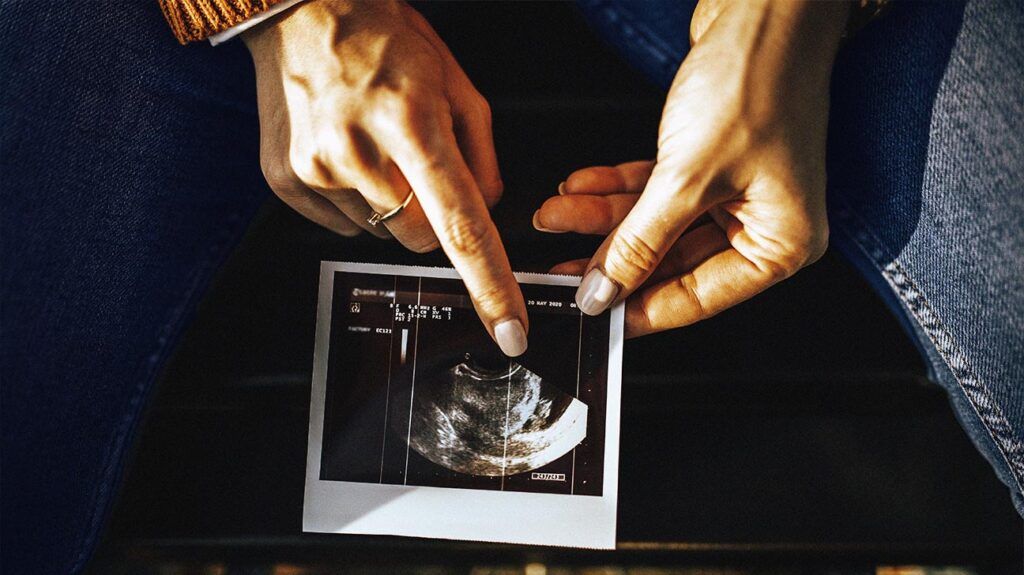
A miscarriage describes the loss of a fetus that occurs before 20 weeks of gestation. A stillbirth is a pregnancy loss that happens any time after 20 weeks of pregnancy.
According to the United Kingdom’s National Health Service (NHS), around 75% of pregnancy losses occur during the first trimester, which lasts 3 months. The risk of miscarriage usually decreases after this point.
Most pregnancy losses are due to factors that the person cannot control. For example, early in pregnancy, genetic issues are a major cause of pregnancy loss.
Although the loss can be devastating, these genetic issues mean the baby could not have survived outside the uterus.
As the fetus gets stronger, it may be less vulnerable to harm. Also, people may change their behavior to avoid potential harm once they know they are pregnant, such as not drinking alcohol.
A general estimate of miscarriage risk by week is as follows.
Weeks 3 to 5
The risk of miscarriage is generally the highest at the earliest stages of pregnancy.
However, the exact risk of a miscarriage at this stage is hard to gauge, as many people who have one do not know they are pregnant yet. Some people may attribute heavy bleeding to a heavy period rather than a miscarriage.
Pregnancy loss that occurs very shortly after implantation, before or around 5 weeks, is sometimes known as a chemical or biochemical pregnancy.
Weeks 6 to 7
According to a
Many health experts recommend the first trimester scan at around 7 weeks. If a healthcare professional can detect a heartbeat at this stage, there is a good chance the pregnancy will continue.
However, 7 weeks is still fairly early. If the ultrasound does not find a heartbeat the first time, the healthcare professional may recommend coming back a week later. Sometimes, people need several scans to detect the heartbeat.
Weeks 8 to 12
Once the first ultrasound has taken place and detected a heartbeat, the risk of a miscarriage decreases significantly.
The
Weeks 12 to 20
A miscarriage is much less likely in the second trimester. According to a 2025 study, previous research suggests rates of miscarriage between 14 and 19 weeks are between 1% and 5% in the United States.
After week 20, a pregnancy loss is known as a stillbirth. This may cause a person to go into labor.
Will I experience a pregnancy loss?
In most cases, it is impossible to accurately predict whether a specific individual will experience pregnancy loss.
A
According to the American College of Obstetricians and Gynecologists (ACOG), very few people have more than two miscarriages in a row. Estimates suggest the rate is 5 in 100 people.
A 2019 study from Norway suggests that the risk of miscarriage is lowest at ages 25 to 29 years. Older maternal age can increase the chance of miscarriage, with chances rising in those over age 30. At age 45, the risk of loss is 53%.
A 2020 review of past research notes that older paternal age is also a risk factor for miscarriage. This may be due to the DNA integrity of sperm decreasing over time.
However, it is essential to note that these are average figures and do not take any other factors into account. Some people have healthy pregnancies in their 40s, and some do so in their 50s.
According to a
- very young or older age
- very low or very high body mass index
- previous miscarriages
- smoking
- alcohol
- stress
- working night shifts
- air pollution
- exposure to pesticides
Rates of miscarriage are also higher among Black people. Research into why this is the case is ongoing, but some possible reasons include an increased prevalence of certain health conditions among Black people, such as fibroids, and health inequities.
Other risk factors for pregnancy loss include:
However, it is important to note that these factors do not guarantee that pregnancy loss will occur. Most people who experience a pregnancy loss go on to have healthy pregnancies in the future.
Some people may ask for genetic testing following one or more pregnancy losses. Genetic testing may help a doctor understand the cause of pregnancy loss.
In many cases, the earliest symptom of a miscarriage is vaginal bleeding. However, not all bleeding during pregnancy is due to a pregnancy loss.
Light bleeding is fairly common in the first 3 months of pregnancy and does not always indicate a miscarriage. Bleeding is more likely to indicate a miscarriage when it is heavy, gets heavier with time, or occurs with intense cramps.
A miscarriage can also happen without bleeding. Some other symptoms of a pregnancy loss include:
- passing blood clots or fluid
- a sudden reduction in pregnancy symptoms, though symptoms can decrease even without a miscarriage due to fluctuating hormones
- a decrease in the fetus’s movements in the second trimester
People should talk with a doctor about any symptoms they find concerning.
Although bleeding is not always a sign of miscarriage, a person should contact a doctor about any bleeding they experience during pregnancy. If the bleeding is heavy or painful, it is best to go to the emergency room right away.
Some other symptoms to monitor for include:
- cramps
- a reduction in pregnancy symptoms
- not feeling the fetus move after regularly experiencing movement
It is also important to know the symptoms of ectopic pregnancy, which is a medical emergency. These symptoms include:
- severe and persistent pain, especially if it is only on one side
- pain in the tips of the shoulders
- vomiting or diarrhea
- feeling faint or losing consciousness
If a person believes they may have lost a pregnancy already, they should also contact a doctor. They will need to check that no tissue is still in the uterus, as this can result in an infection.
Some frequently asked questions about miscarriage rates by week may include:
It is difficult to specify a single week. However, most miscarriages occur during the first 3 months of pregnancy.
Yes, the risk generally decreases over time, especially once a heartbeat is detectable on an ultrasound. This often happens around the 7-week mark, at the first ultrasound scan. For some, it happens slightly later.
Most miscarriages occur in the first trimester. After this point, the risk of miscarriage decreases significantly.
Many factors can influence the risk of miscarriage, such as age and general health. Evidence suggests that miscarriages occur in roughly 15% of all recognized pregnancies.
The risk of miscarriage is generally the highest early in pregnancy and decreases over time, especially after the first ultrasound scan.
Most early pregnancy losses occur in the first trimester, but they can happen up to 20 weeks. People who are anxious about their risks may find it helpful to speak with their doctor for more insights and reassurance.
There is no right or wrong way to react to a pregnancy loss. Receiving quality medical care, having support from friends and family, and taking time to heal can help people manage the process.