Custom Limited Art Cassette (With Stamped Foil Cover)
Cassette + Digital Album
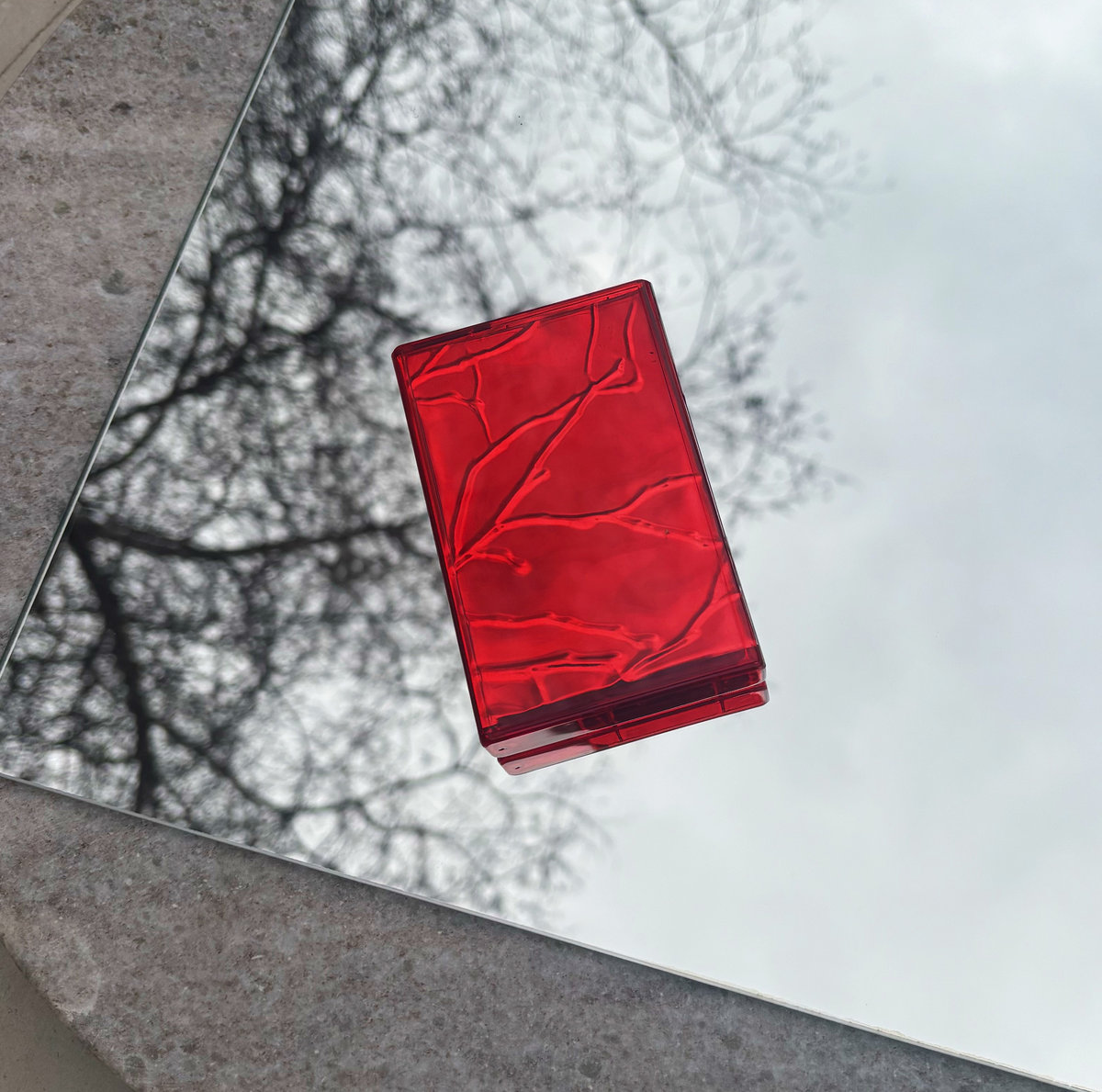
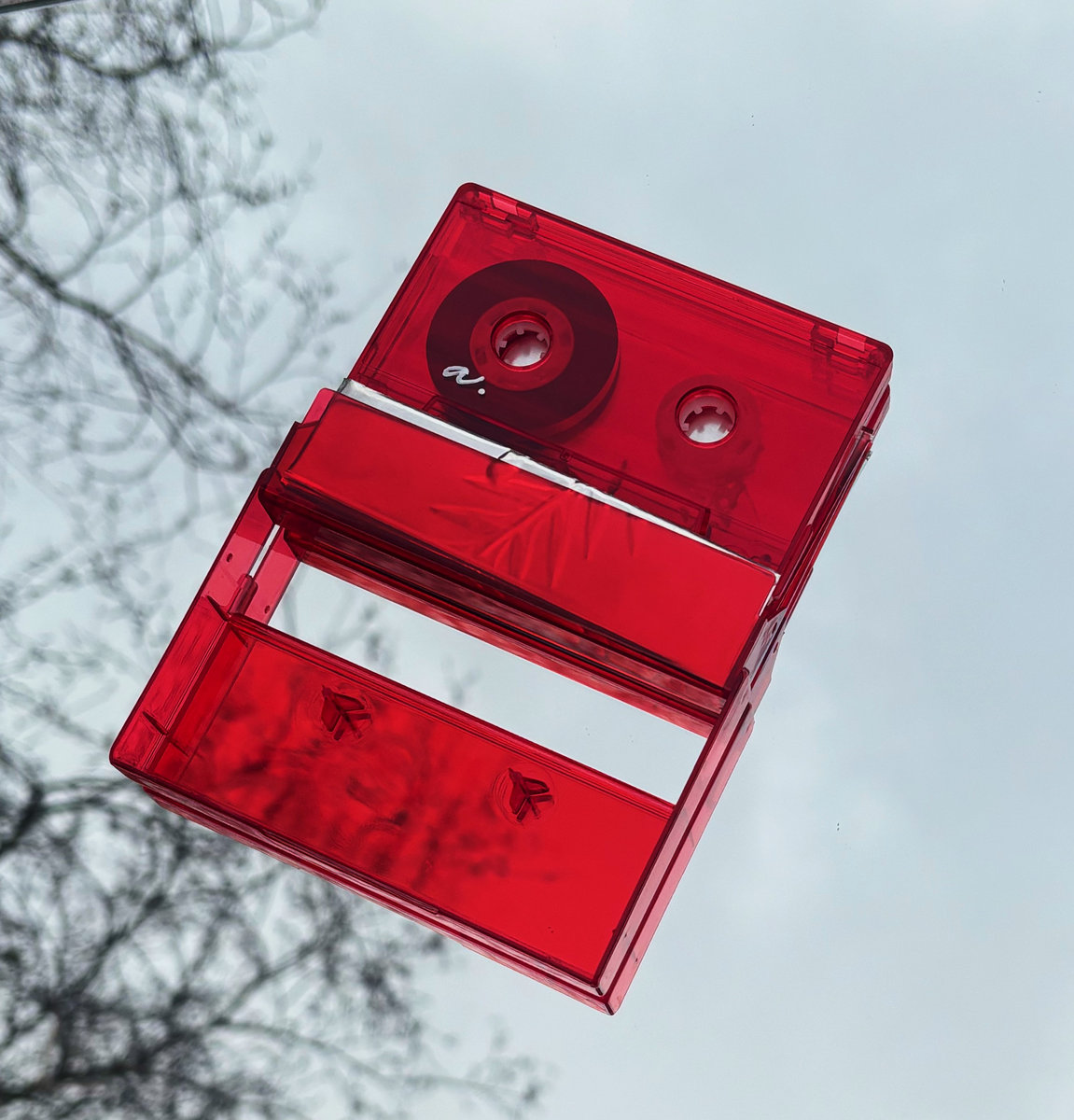
An extremely limited edition cassette of the album that features carefully crafted stamped foil J-cards, red cassette in tinted red case. Consider this equal parts physical media and art piece, a companion to the album.
Includes unlimited streaming of decorative arts ii
via the free Bandcamp app, plus high-quality download in MP3, FLAC and more.
Imaginary North is thrilled to share the newest album by Toronto electronic musician and sound artist Ben McCarthy, an exploration into the depths and complexities of AI and its use in modern music.
From Ben:
Decorative Arts II, as the title suggests, is a record of new aesthetics: specifically those produced by a relatively recently emerged technological ability to make sound from a deluge of data. Even more specifically, this is a record of sounds produced using– and more often misusing– a number of AI tools (ranging from local models to large language models). These are aesthetics of noise, ghostly aural fragment, artifact, distortion, metabolized .wav and non-intentional psychoacoustics.
So, while I take the music to be moving, to be a space in which one's attention might open up, this is also, without reservation, a concept album. As with the last Decorative Arts record, this is an exploration of genre. Ambient music sits in an odd space between the experimental and the utile, the technical and the emotional. It can function as background sound to work, consumption, and lifestyle, or it can offer something to the spirit. It does so by spare, often liminal gestures and, in some cases, by testing what timbres and intervals can be introduced into a sonic space, to elevate without breaking that transporting spell. This second assay at ambient continues the exploration of the first– walking the line between the aesthetic and the aesthetically challenging. Through the use of AI, it also introduces questions about authorship, intention, the aleatoric, and the deepening collaboration between musicians and the technology with which they work.
the endcore
The political brand of AI can only be said to be declining on the left– if it has not already totally crashed. The rise of AI tech oligarchy, techno feudal data enclosure, and the environmental impact of datacentres– the energy, precious metals, water, and land they demand– make strong grounds for political arguments against this tech. To say nothing of the endgame of corporations like Spotify who have already done so much to devastate music as a remunerative, and therefore plausible form of work. What begins as infinity-core– access to all music, all the time for one small fee– ends as Spotify-core: music made for algorithms, vibes, tagged and quantified life moments.
Spotify is not only extractive of rent, but too, of user data. They are in the marketing business, not the music business. As they serve a profit motive, the end-core will mean not having to split royalties– neither for the vibes nor the soundtrack, let alone the everyday magic of music. Businesses like Spotify are interested in AI because a well-made Large Language Model (LLM) might be in the position of replacing musicians altogether. Which means no artists to pay. No producers, no engineers, no labels. And who better to provide an absolutely complete data set for training such an LLM, but a corporation like Spotify, to whom artists obligingly submit their work in order just to have a crack at the game of quantitative aesthetics central to the erstwhile platform orthodoxy.
all your days a dataset
The obvious question, then, in light of these scarcely defensible impacts, is: why fuck with these models? I am not a purist. Nice gig for those who can hack it, but I am not such a one. And for my part, I believe it is in part purity politics that have allowed us to slip so far under in the current political undertow. I believe the bell has been rung. We were always already cyborgs, and we were always already training the models. AI is with us, and it is not going anywhere.
The lighter argument is this: AI is a tool, like a drum machine, like a Max-MSP patch, like a sequencer, or a sampler. These technologies produce results that cannot be said to be the sole provenance of the artist who wields them. We know these arguments: the sample is theft of intellectual property and the drum machine has no soul. All of my favourite music is premised on these instruments. AI is just another tool for making meaning and sharing affect, if deployed with that intention.
The more fraught argument, and the one that motivates the conceptual element of this record, is that this technology, its story– both in terms of public reception and the datasets on which it is premised– cannot be left to the tech oligarchs. Nor to the simplistic reactionary narratives liberalism is so apt to produce whilst being utterly powerless to enforce. We need to devise our own stories about our own informed and unmitigated relationship to this tech. We can only accomplish this by working, learning, and playing alongside and with it. God bless the Luddites, but smashing looms did not save the workers. An organized vision of what work could be was what changed things.
attention: commodity / relief
I’ve been reading broadly about and working with machine learning over the last two years, as I integrated these tools into my new media projects. This album is one culmination of that work and play. And I have learned a lot about what this tool is, and is not. What it can do, and what it can’t. Autotune does not make us all singers. Just as an MPC does not make us all Dilla. This record was made with AI, but it was also made with friends, my voice, tape, amps, synths, pirated software, my ever burgeoning library of ad hoc recordings, and years of experience in playing in the mud of experimental audio.
If you seek out experimental music you know what it is to listen with your body, with your intuition, and with the aesthetic preferences you’ve evolved over the course of your every encounter with intentional sonic material. If you know this, you also know that in the end, the origin of a sample, the conditions of a recording, the artist’s intention, the boutique instruments and who played them– none of this matters. What matters is what hits. What hits the tape, what hits the a/d converter, what hits the speaker, what hits your ear, and what hits your spirit when you give a piece of music your attention. And this is all the record asks.
credits
released April 18, 2025
All music by Ben McCarthy
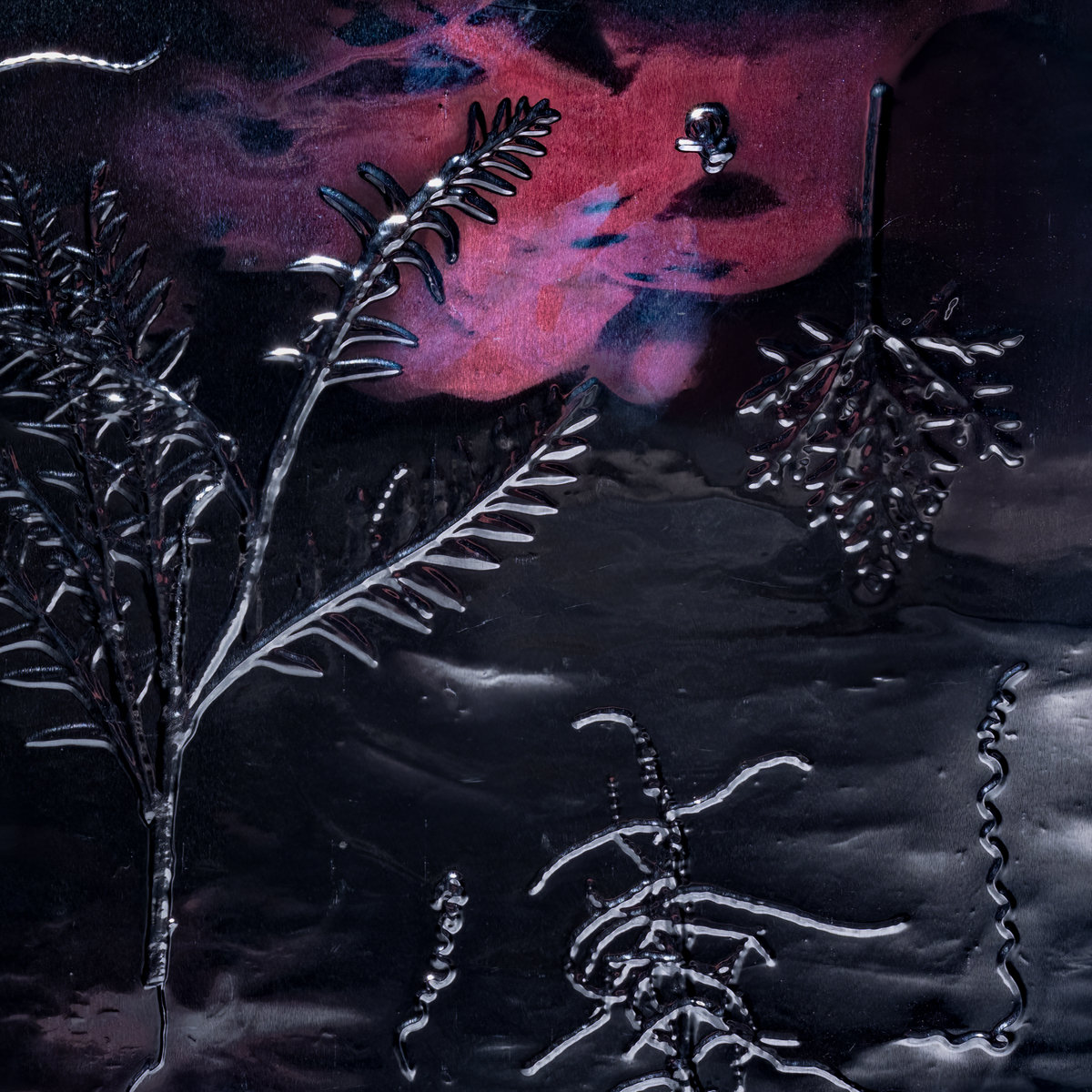
hanks to Dexter Outhit for his collaboration. To Cale Weir for photography and digital album art. Thanks to April Martin for designing and manufacturing the physical cassette artwork. Thanks to Daniel Field for supporting the record and for putting faith in this project.
supported by 15 fans who also own “decorative arts ii”
The absolute best ambient compilation I’ve had the pleasure of listening to. This on repeat and the Past Inside the Present radio station, which is one of the best things to happen in recent memory, have been taking turns filling my house with blissful sounds lately. Thank you 🙏 aelia
supported by 15 fans who also own “decorative arts ii”
Take the shimmering guitars of the Cocteau Twins, dilate and lengthen with the wistfulness of Boards of Canada and release them like one of Robert Rich’s haunting soundscapes with a jazz coda and you have Carlo Giustini's 'Custodi'. It's brilliant. sepulchre19
Ambient artist charaxes creates the soundscape of an alien forest, with gentle melodies fading into environmental textures. Bandcamp New & Notable Jan 10, 2023
Warm, contemplative ambient pieces painstakingly crafted by the Portland experimentalist for a surrealistic Icelandic documentary. Bandcamp New & Notable Aug 7, 2025
Composer, artist, and 12k label founder Taylor Deupree collaborates with Joseph Branciforte to reimagine his own seminal album. Bandcamp New & Notable Apr 6, 2024
supported by 14 fans who also own “decorative arts ii”
A perfect sequel to Stasis Sounds For Long-Distance Space Travel, but more exiting and moving than it's predecessor.
This album with provide you with the most depths of any ambient record, and take you for a beautiful journey though space in the deepest parts of the known universe. Nebulas, gas clouds, and glittering distant starscapes will color you minds eye while you glide along the detailed sounds of the creator.
10/10
Jonas