
Key takeaways
- Treatments for depression include psychotherapy, medications, or a combination of both. The most effective approach can vary from person to person.
- Different types of antidepressants, such as SSRIs, SNRIs, and MAOIs, work by affecting brain chemicals related to mood and stress, but they also carry potential side effects that should be discussed with a doctor.
- If initial treatments are not effective, other options, such as brain stimulation therapy, light therapy, and relaxation techniques, may be considered.
Depression is a mental health condition that involves symptoms like persistent low mood, loss of interest in hobbies, and feelings of hopelessness. It can also cause physical symptoms such as fatigue and difficulty sleeping.
There are different types of depression, like major depression, persistent depressive disorder, and seasonal affective disorder (SAD).
This article discusses a range of depression treatments, from psychotherapy and medications to less common options.
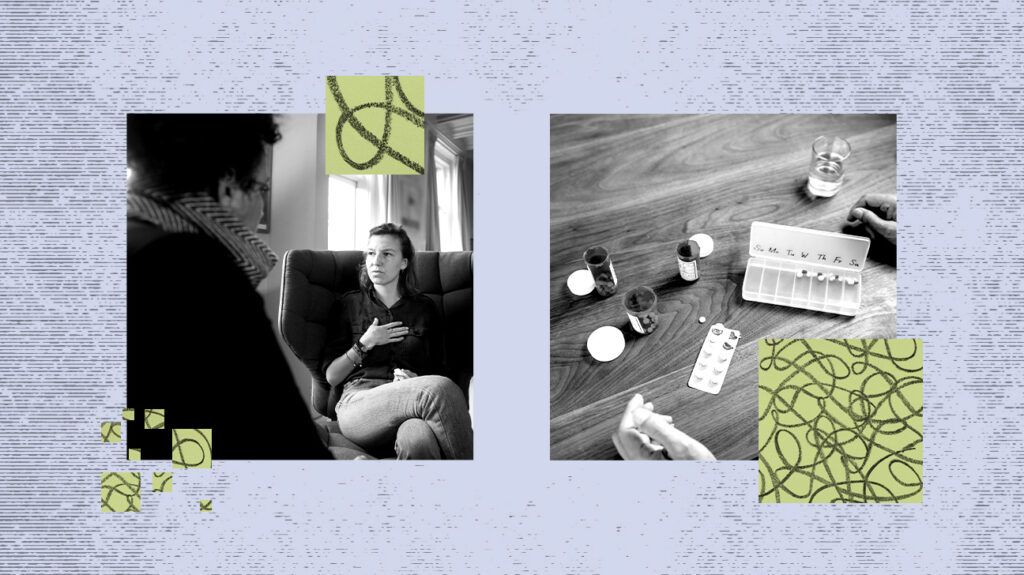
Healthcare professionals may also refer to psychotherapy as “talk therapy.”
There are different types of psychotherapy a doctor may recommend, such as:
- Cognitive behavioral therapy (CBT): The aim of CBT is to challenge and modify unhelpful thoughts and behaviors to help reduce symptoms of depression.
- Interpersonal therapy (IPT): The aim of IPT is to help improve communication skills within relationships, create support networks, and develop realistic expectations for managing situations that may be contributing to or worsening depression.
- Psychodynamic therapy: The aim of psychodynamic therapy is to
find out and address the causes of emotional distress, which may be in the unconscious mind. TheNational Institute of Mental Health (NIMH) notes that using this type of psychotherapy for a limited time may be beneficial for depression.
A mental health professional may conduct therapy sessions in person, over the phone, or online. They may also offer individual or group sessions.
Mental health resources
Visit our dedicated hub for more research-backed information and resources on mental health and well-being.
Doctors can also prescribe antidepressants to help treat depression. These medications work by changing the way the brain
As with any medication, antidepressants
There are different types of antidepressants, including:
Selective serotonin reuptake inhibitors (SSRIs)
Serotonin-norepinephrine reuptake inhibitors (SNRIs)
- duloxetine (Cymbalta)
- venlafaxine (Effexor XR)
- desvenlafaxine (Pristiq)
- levomilnacipran (Fetzima)
- milnacipran (Savella)
Tricyclic antidepressants (TCAs)
Some examples of TCAs include:
- amitriptyline (Elavil)
- desipramine (Norpramin)
- amoxapine (Asendin)
- nortriptyline (Pamelor)
- clomipramine (Anafranil)
- doxepin (Sinequan)
- protriptyline (Vivactil)
- imipramine (Tofranil)
- trimipramine (Surmontil)
Doctors do not prescribe TCAs as often as SSRIs and SNRIs because they can cause more side effects. However, they may be more effective for people with severe depression than other antidepressants.
Noradrenaline and specific serotoninergic antidepressants (NaSSAs)
Some examples of NaSSAs include mirtazapine (Remeron, Remeron Soltab) and mianserin (Tolvon). However, mianserin is not available in the United States.
The United Kingdom’s National Health Service (NHS) notes that these medications may be suitable for people who are unable to take SSRIs.
Monoamine oxidase inhibitors (MAOIs)
Some examples of MAOIs include:
- tranylcypromine (Parnate)
- phenelzine (Nardil)
- selegiline (Emsaml)
- isocarboxazid (Marplan)
Healthcare professionals do not typically prescribe MAOIs as a first-line treatment due to the risk of side effects and drug interactions. However, MAOIs may be more suitable for people with treatment-resistant depression.
If psychotherapy and medications do not help improve depression, a person
- Brain stimulation therapy: Brain stimulation therapy may be useful for people who have not found psychotherapy and medications effective or those with severe depression that has become life threatening.
- Light therapy: Doctors may also refer to this as phototherapy or sun lamp therapy. It may be particularly useful for people with SAD.
- Sleep deprivation therapy: This type is a temporary complementary intervention that involves staying awake for a whole night and not going to bed until the following night. A 2021 meta-analysis indicated that it may be effective in treating depression, but more research is necessary.
- Relaxation techniques: Examples of relaxation techniques include yoga, progressive muscle relaxation, and music therapy.
- Sports and exercise: Physical activity may help improve mood and energy levels, in conjunction with other depression treatments. Even light exercise, such as short walks, slow swimming, or leisurely bike rides, can be beneficial.
- Dietary supplements: Some anecdotal reports suggest that vitamin D and St. John’s wort may reduce depression symptoms. However, research findings are inconsistent and studies are ongoing. People should always speak with a doctor before taking any dietary supplements, as they can cause adverse effects and interact with medications.
Doctors typically treat depression with psychotherapy and antidepressants. However, other options may include brain stimulation therapy, light therapy, and relaxation techniques.
A person may need to try a few different treatments before finding the most suitable one for them.
People should speak with a doctor if they feel their current treatment options are not helping, causing severe side effects, or worsening symptoms of depression. A healthcare professional may be able to recommend alternative treatments.