
Symptoms of depression, such as lack of interest in activities and fatigue, may appear as laziness. However, depression is a mental health condition, whereas laziness relates to a person’s behavior.
Depression is a mental disorder that causes feelings of emptiness, sadness, or displeasure for activities previously enjoyed. Other possible signs include difficulty concentrating or making decisions.
Laziness is a term rarely used to describe a person’s depression. It does not usually accompany other mental health issues. It is also highly subjective; what may appear lazy to some may not appear lazy to others.
This article looks at depression and laziness, whether laziness is a symptom of depression, and other signs. It also explores the key differences, causes, diagnosis, and treatment for depression and support available.
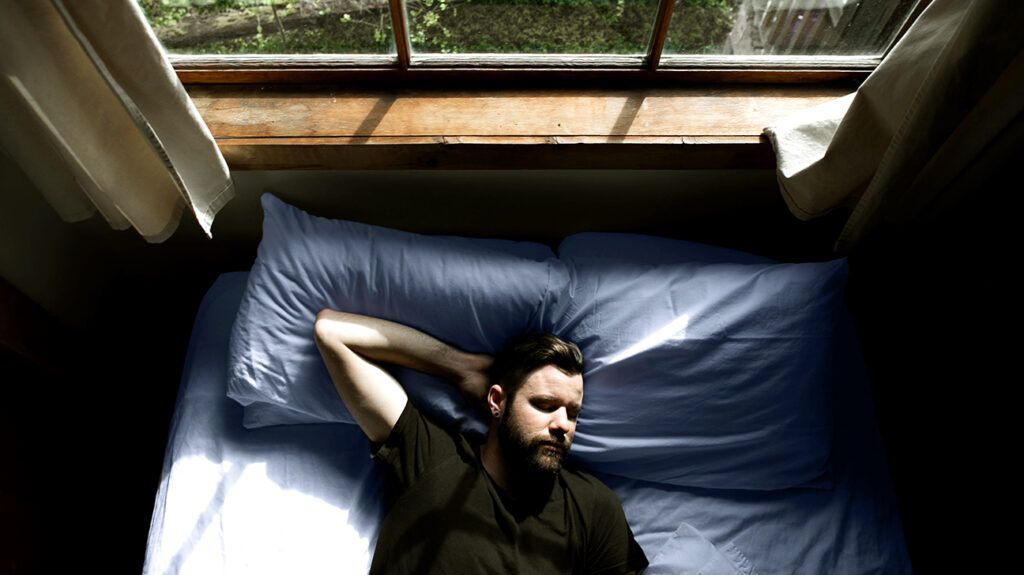
Anecdotally, people may mistake depression for laziness due to symptoms such as low energy. However, they differ in how they manifest and how and whether doctors can treat them.
A person with depression may appear as though they are acting lazy, but their symptoms are a result of a serious mood disorder, which
People anecdotally report that laziness is a state of inactivity due to unwillingness to perform certain tasks. This may occur occasionally and result from the following factors:
- temporary mental state
- personal choice
- personality trait
However, other theories suggest that laziness may have an underlying cause and that there may be more to someone being reluctant or unable to be productive. Further research needs to explore these claims.
Anecdotal findings indicate that depression is not a personal choice or a temporary emotion. It is a serious and long-term condition that negatively affects a person’s well-being and daily life. This condition requires medical intervention.
What is depression?
The
This may affect daily life, impact family and friends, and cause issues in work and school. It usually causes a depressed mood or long-term loss of pleasure or interest in everyday activities.
Avolition is a term to describe a person who cannot engage due to a lack of motivation or ability. This may be a symptom of depression.
While it appears similar to laziness, avolition involves being unable to do something, whereas laziness usually occurs due to unwillingness.
What is laziness?
Research from 2019 describes laziness as a person’s reluctance to perform a task or activity despite having the ability to do it. The delay in task performance may link to a lack of motivation to use energy.
Learn more about depression.
Laziness is not a formal symptom doctors use to diagnose someone with depression.
The
- feelings of emptiness and helplessness
- fatigue
- lack of energy
- feeling slowed down
- difficulty making decisions
- difficulty sleeping or oversleeping
The NIMH discusses that depression may involve other mood or behavioral changes, such as:
- anger or irritability
- restlessness
- being withdrawn and detached
- impulsivity
- isolating from family and friends
- inability to meet responsibilities
- issues with performance
Other depression symptoms
- bad concentration
- feelings of guilt or low self-worth
- hopelessness and pessimism about the future
- suicidal thoughts
- changes in appetite or weight
- physical aches, such as:
- headaches
- cramps
- digestive issues
Help is out there
If you or someone you know is in crisis and considering suicide or self-harm, please seek support:
- Call or text the 988 Lifeline at 988 or chat at 988lifeline.org. Caring counselors are available to listen and provide free and confidential support 24/7.
- Text HOME to the Crisis Text Line at 741741 to connect with a volunteer crisis counselor for free and confidential support 24/7.
- Not in the United States? Find a helpline in your country with Befrienders Worldwide.
- Call 911 or your local emergency services number if you feel safe to do so.
If you’re calling on behalf of someone else, stay with them until help arrives. You may remove weapons or substances that can cause harm if you can do so safely.
If you’re not in the same household, stay on the phone with them until help arrives.
Anecdotally, the main differences between depression and laziness, include:
Symptoms
Depression is a psychiatric disorder, whereas laziness is a mental state or, for some people, a personal choice or trait.
Depression causes a range of symptoms affecting a person’s mental and physical health. Laziness tends to cause demotivation and low energy, which may be the reason for inactivity, but other clinical symptoms may not be present.
Types
There are different types of depression,
- major depression, causing symptoms for at least two weeks at a time
- persistent depressive disorder, less severe symptoms over a longer period
- postpartum depression, which occurs during or after pregnancy
- seasonal affective disorder
- depression with psychosis, causing hallucinations and delusions
While laziness is not a formal condition, possible affected areas may include:
- emotional
- physical
- social
- organizational
Severity
Anecdotal reports suggest that both may occur in the short and long term and affect a person’s day-to-day functioning. However, depression tends to be more severe and impacts more aspects of daily life.
Treatment
There is no formal treatment for laziness, but some people may benefit from sufficient rest and nutrition.
Others may need support from family or friends to help set goals and routines. A person could speak with a doctor in case there is an underlying cause of their laziness.
Depression
- genetic
- biological
- environmental
- psychological
- substance or medication-induced depressive disorder
- dysthymia or cyclothymia
- bereavement
- bipolar disorder
- schizophrenia
- anxiety disorders
- eating disorders
The research suggests depressive symptoms may also be secondary to the following:
- neurological causes, such as:
- cerebrovascular accident
- multiple sclerosis
- subdural hematoma
- epilepsy
- Parkinson’s disease
- Alzheimer’s disease
- diabetes, or other disorders affecting the thyroid or adrenal glands
- metabolic issues such as hypercalcemia or hyponatremia
- deficiencies in the following vitamins:
- HIV and syphilis
Doctors
Psychotherapy may include:
These methods provide people with the tools to adopt new ways of thinking and behaving to change any triggers causing depression.
The NIMH discusses that antidepressants are common in the treatment of depression.
For some people, they may have treatment-resistant depression, so doctors may prescribe people take an antipsychotic or anticonvulsant medication.
If psychotherapy and medications do not relieve depression, brain stimulation therapy may also be an option doctors explore.
Doctors can help with the diagnostic and treatment journey by referring people to one or more of the following qualified mental health professionals:
- psychologist
- psychiatrist
- clinical social worker
People may also seek support from family, friends, or community circles.
Support hotlines available for people with depression include:
- Samaritans: Call or text 877-870-4673 (HOPE).
- National Suicide Prevention Lifeline: Call 1-800-273- 8255 (TALK)
- Lifeline Chat: An online chat service of the National Suicide Prevention Lifeline.
- Postpartum Support International: Call 1-800-944-4773.
Depression is a serious medical condition that can affect every aspect of a person’s life. Laziness refers to the reluctance to perform a task or activity despite being able to do it physically.
People may mistake depression for laziness due to symptoms such as low energy, fatigue, and sleep issues. However, they differ as depression is a mental health condition, and laziness is behavior or trait. Laziness is not a formal symptom doctors use to diagnose someone with depression.
Other signs of depression include irritability, slowed movements, and worsened performance. An individual must display at least five symptoms to receive a diagnosis of depression, of which one must be a depressed mood or loss of interest or pleasure.
Support hotlines are available for people with depression, and a person can speak with their doctor or mental health professional for appropriate treatment.